
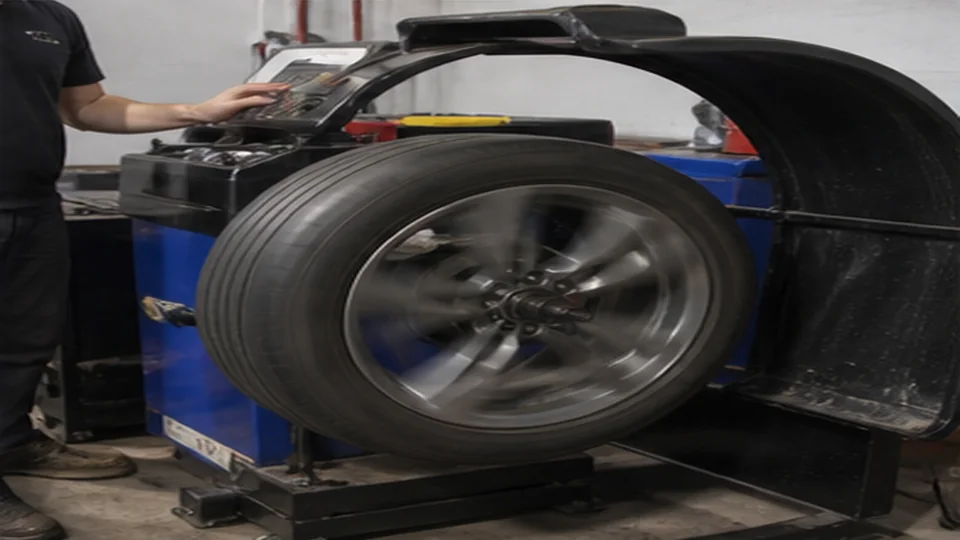
A vibration is a symptom, not a diagnosis. Speed, road surface, recent work and where the vibration is felt help narrow the likely cause.
When balancing may help
A wheel-and-tire assembly with uneven weight distribution can produce speed-related vibration. Mobile balancing may be appropriate when the wheels, tires and service location are suitable.
Other possible causes
Bent wheels, tire damage, incorrect seating, uneven wear, accumulated snow or debris, and mechanical suspension or steering issues can create similar symptoms. Balancing does not correct every cause.
Stop for sudden or severe vibration
Reduce speed and pull over safely if vibration starts suddenly, becomes severe, or follows an impact. Check for a visibly low tire, bulge, loose wheel concern or other damage and request assessment before continuing.
What to tell the technician
Describe the speed range, whether the vibration is in the steering wheel or seat, when it began, and any recent tire service or road impact.
What to send Tire Help
- Your exact address or live map pin
- Vehicle year, make, model and tire size
- Clear photos of the tire and surrounding area when safe
- Whether the vehicle has a spare and wheel-lock key
- Any parking, garage or roadside access details